
All writing.
Browse by Theme
How to Build a Brand That Makes Sense
A practical guide for DIY branding. Learn what branding really is, how to choose colors and fonts, and how to build a brand system that holds together.
You Googled “Free Logo” ….Now What?
Most small businesses start with an idea, a name, a logo, and the need to make it visible. That’s why “free logo design” and “free logo maker” are some of the first things people search for. You need something to put on a website. Something for a profile picture. Something to send with an invoice. So you pick a font, choose a color, download a file, and move on. That works to get started, but a logo is only one piece. A Brand Strategy connects your visuals, voice, and ideas into something you can build from.
Here’s what it covers:
The colors and fonts you keep returning to
The tone your writing naturally falls into
The ideas and values your business keeps circling
The impression you’re shaping through what you put out
The kinds of things you talk about and the kinds you don’t
The way your choices start lining up over time
Free logos give you something to start with. Brand strategy is what makes the rest of it make sense.
What Is Branding, Really?
The first questions are almost always marketing questions: how to get attention, what to post, what to say, how to promote. But marketing only works when there’s something solid underneath it. That’s where branding comes in. Marketing strategy is how your business reaches people. Brand Strategy is what people are actually meeting when it does. When branding is simple, things make sense faster and stick around longer.
Keys to keeping it simple:
One clear idea your business keeps returning to
A defined, consistent visual language instead of endless styles from the internet
A recognizable way of sounding in your writing and messages
Patterns people can notice and learn without being taught
Decisions that come from the same place every time
Defining your brand is something you can absolutely start on your own. Most people do. But it tends to get complicated faster than expected, because the real work starts when you have to write it down and start building everything from it.
Read More → Branding Looks Simple
Colors For Your Brand
It starts small. A new color here. A brighter version there. Maybe a bold accent for a post. Something that “pops.” You’re experimenting. Making things on the fly. Using what’s available. Over time, that freedom starts to show on your posts, your pages, your documents. And not always in a good way. You introduce lime green in two ads. You swap the blue for something brighter on a graphic. You add a new shade because it felt right that day. Nothing is wrong. But nothing matches, and no one can quite recognize you.
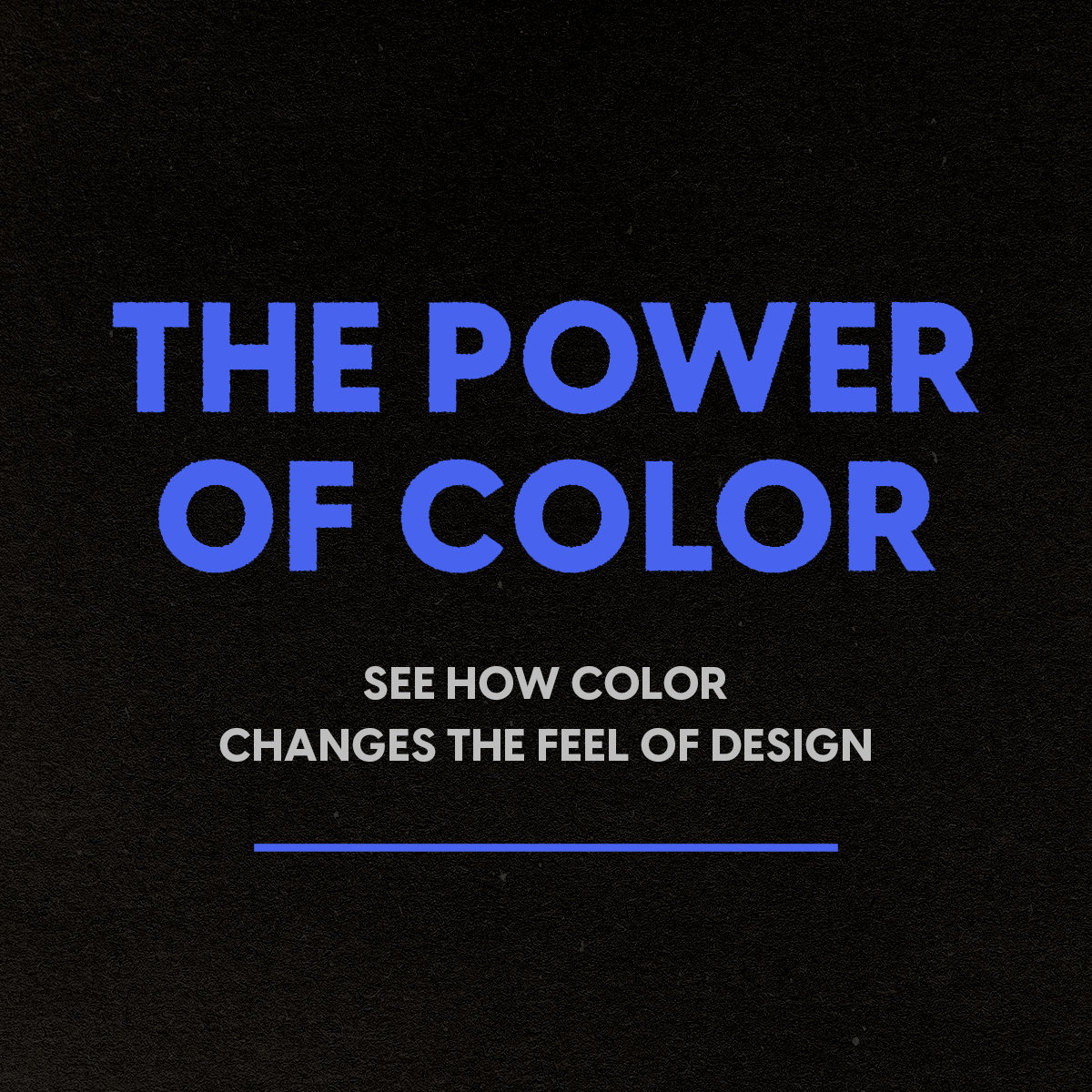
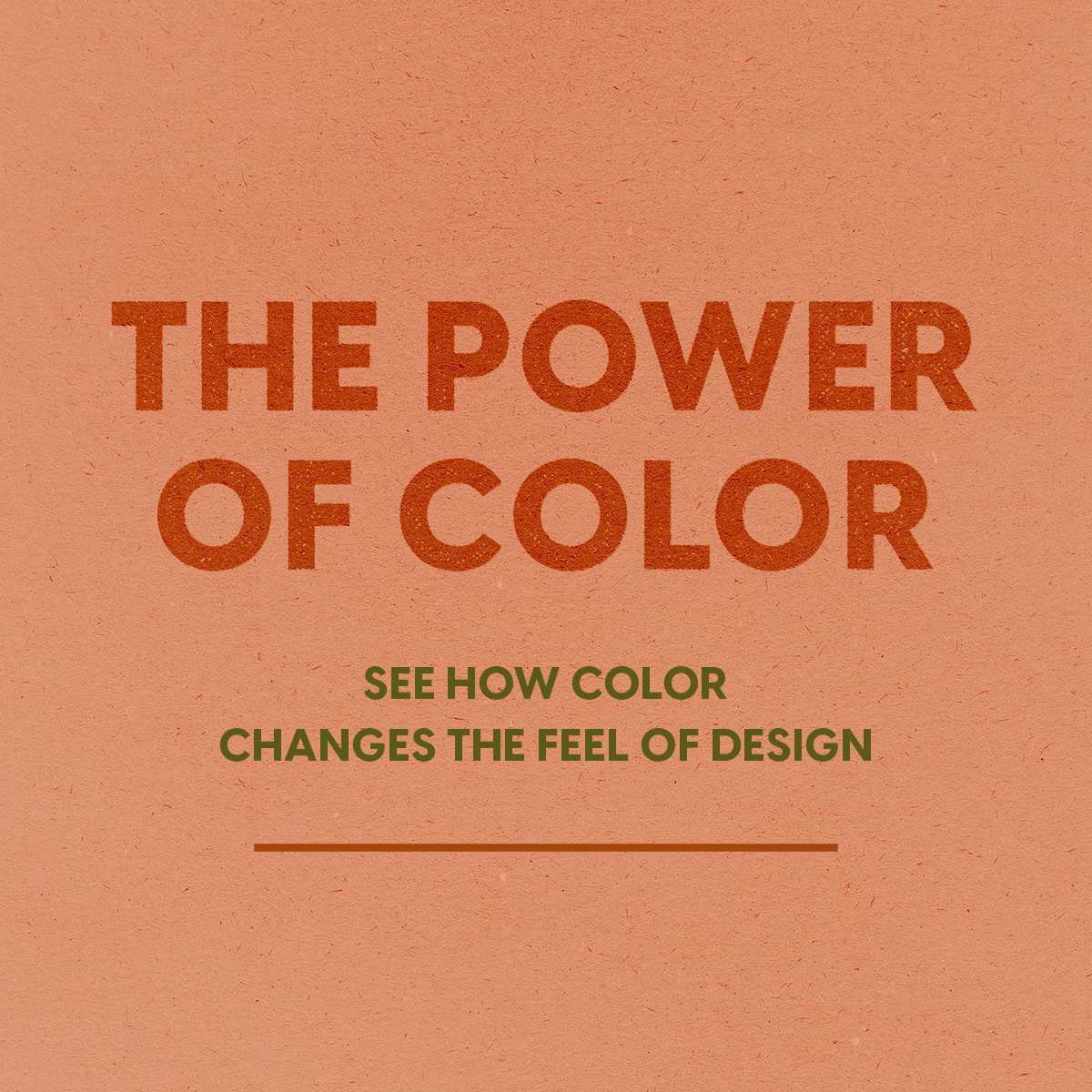
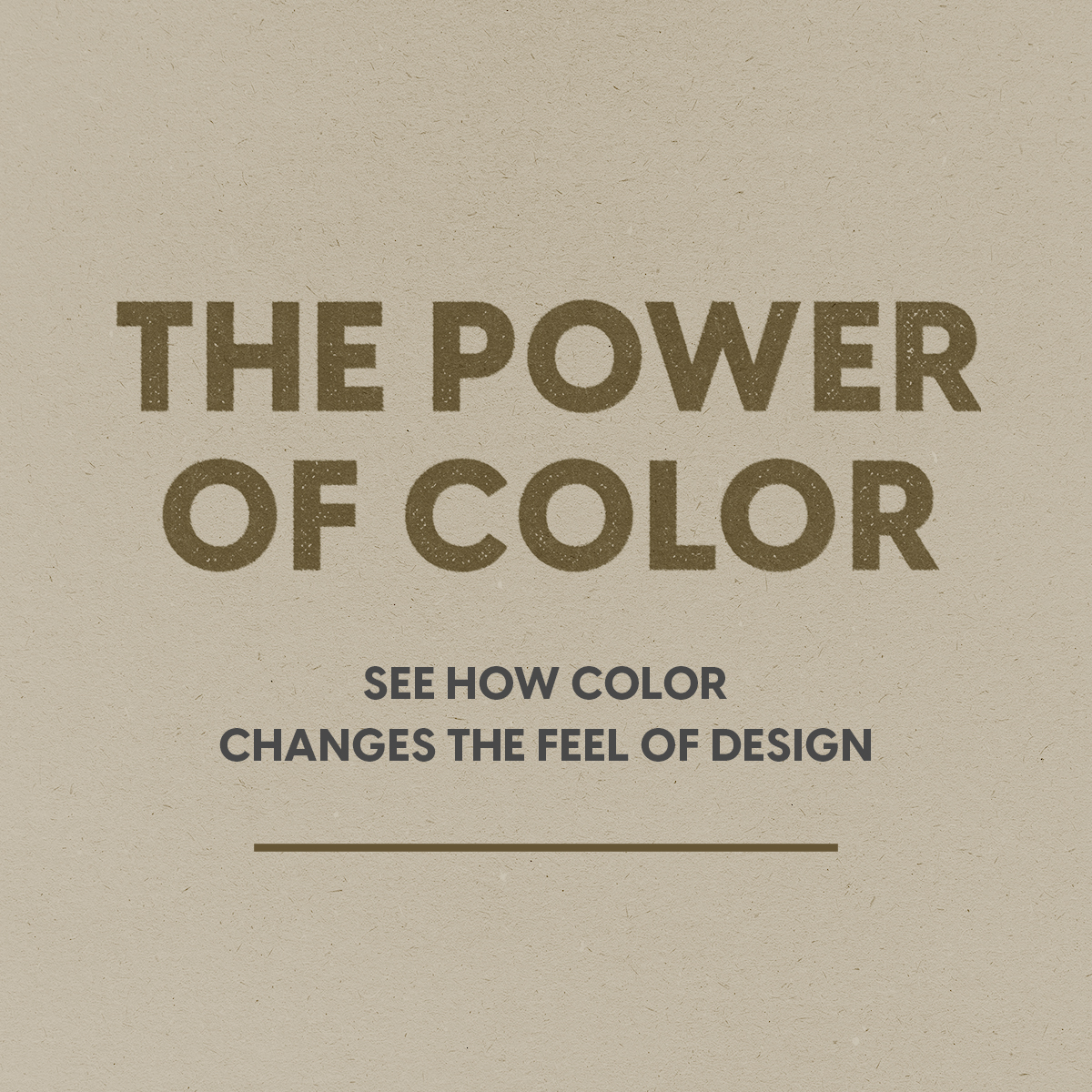
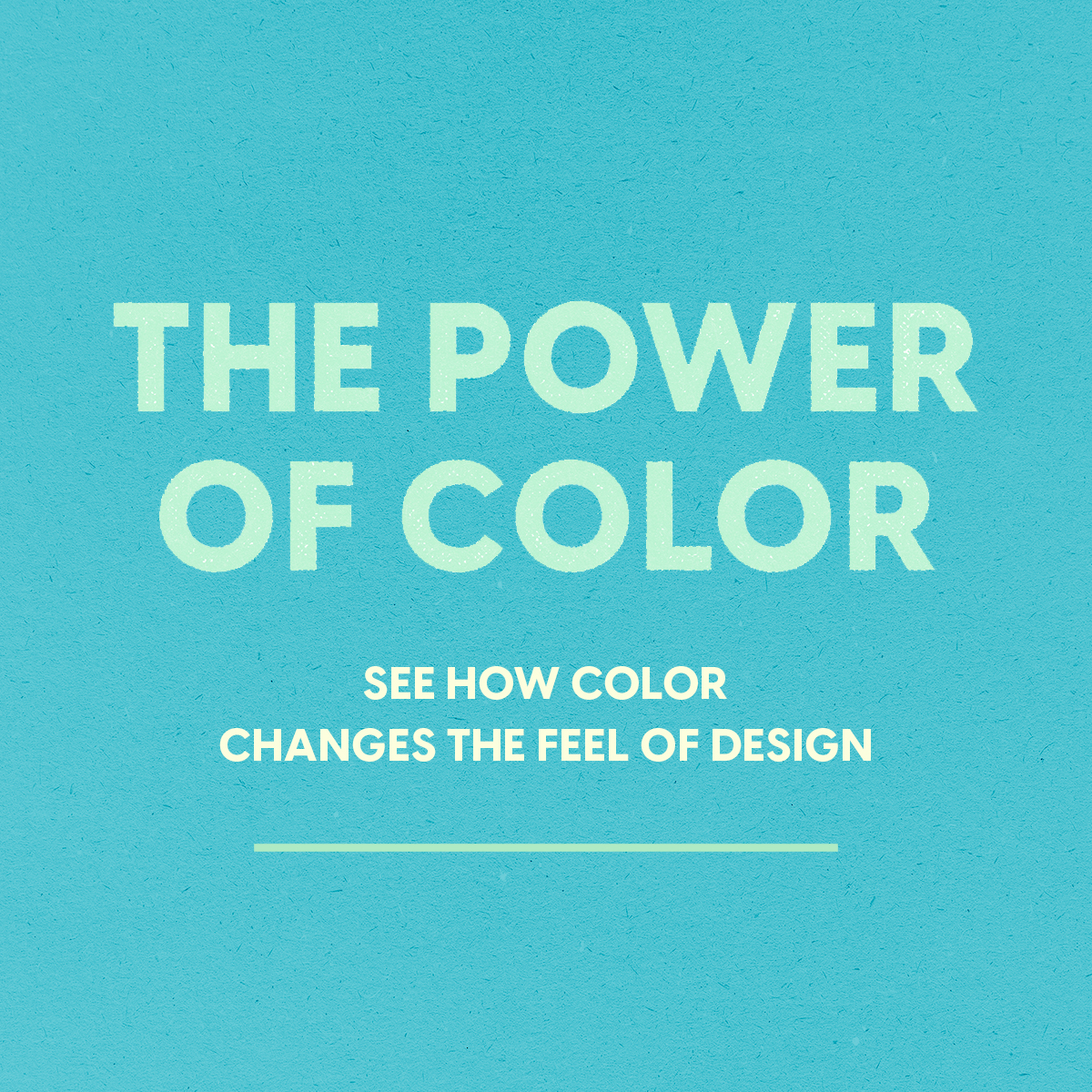
If you’re trying to figure out colors for your brand, what you’re really looking for is a way to make your choices clearer and more consistent. There aren’t universal “best brand colors for small business,” but there are colors that make sense for what you’re building and colors that don’t. When your colors are defined, your materials begin to line up. Your business becomes easier to read. And what started as scattered ideas turns into a system people can recognize.
Font Pairings For Your Brand
Fonts shape the vibe more than almost anything else. You can change the same words into something playful, serious, nostalgic, technical, or luxury just by changing the type. That’s why font choices tend to feel personal. And because fonts do so much perceptual work, they quietly give your brand its voice. They influence how your message is read, how your business feels, and what kind of presence it carries before anyone processes the words themselves.
Where color sets the mood, type sets the personality.
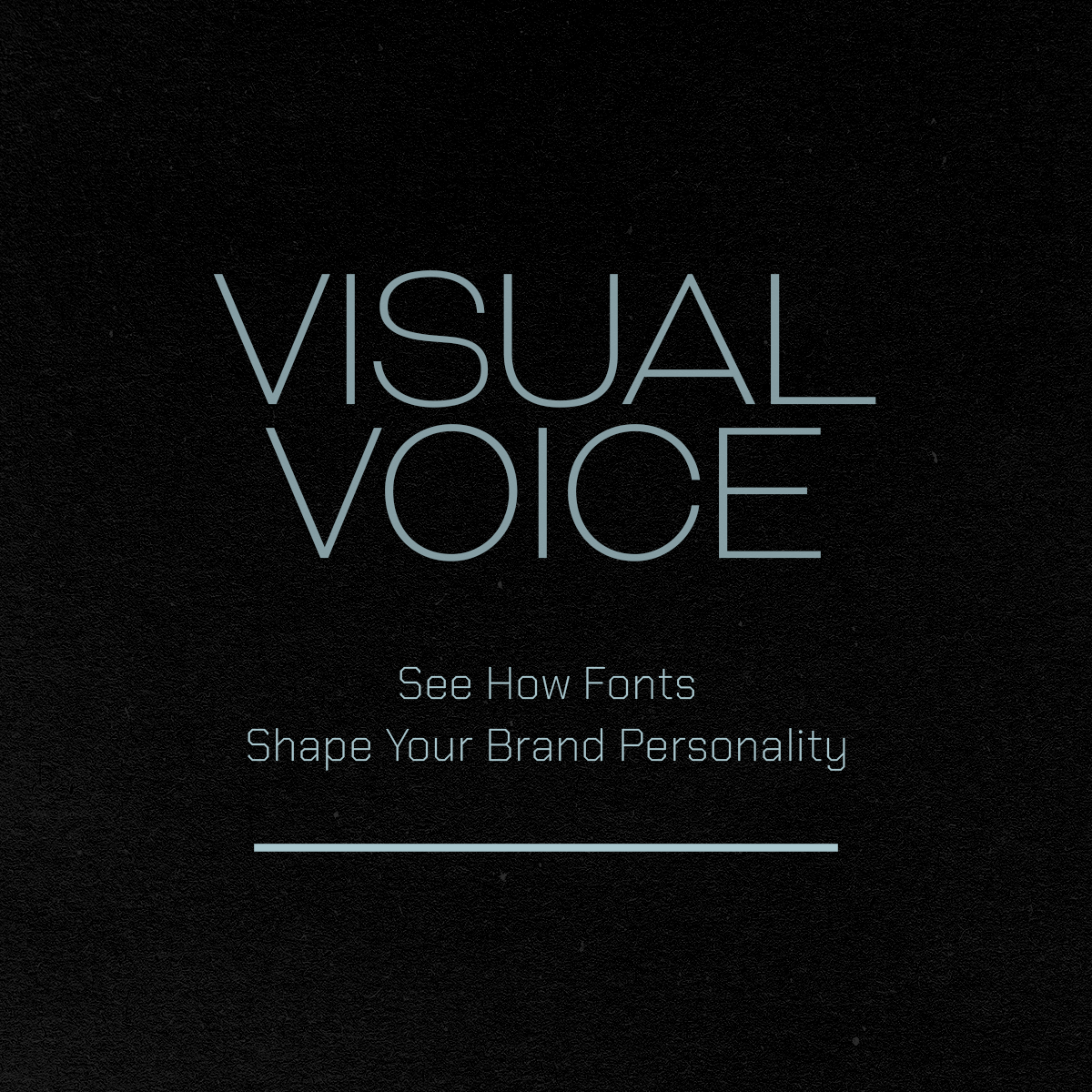
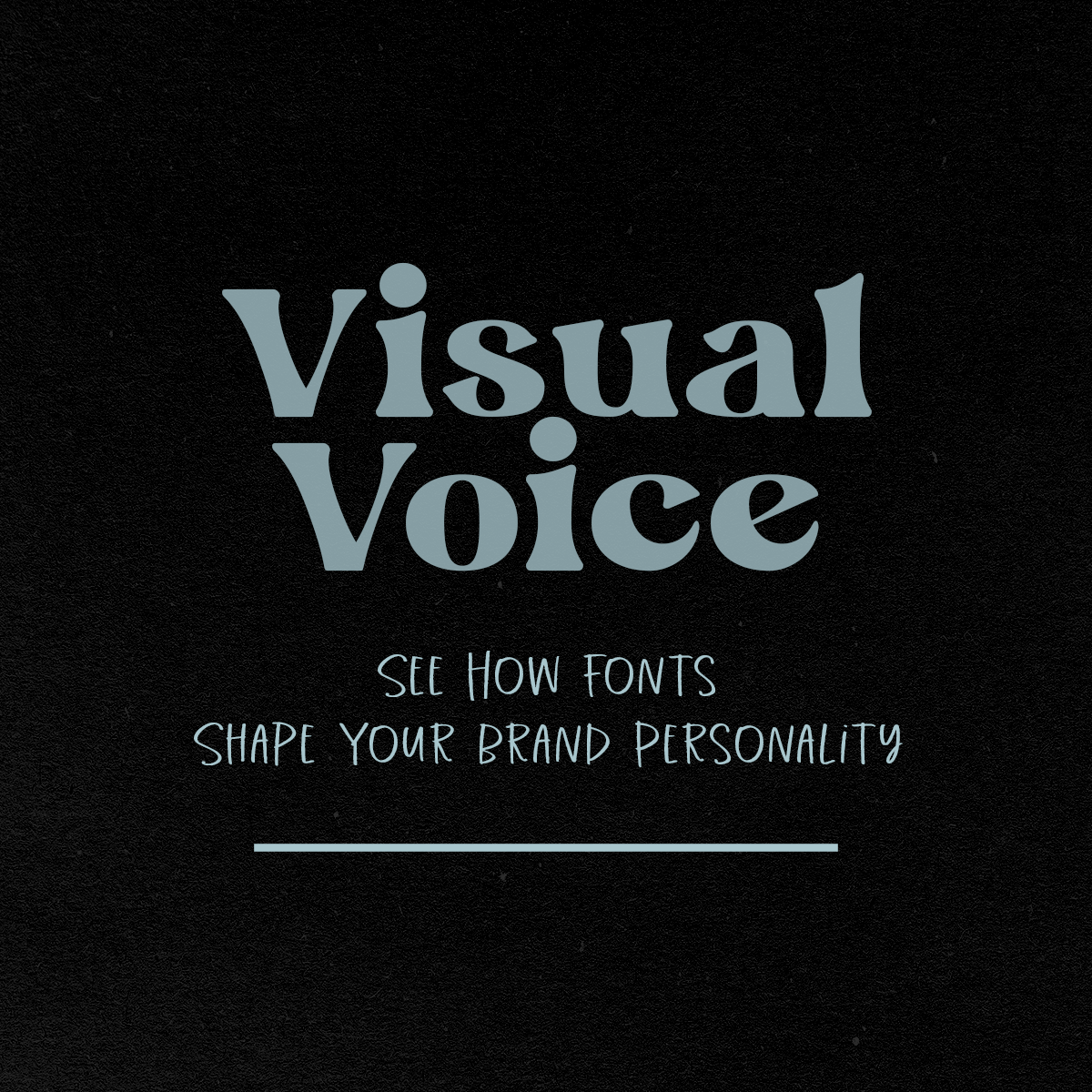
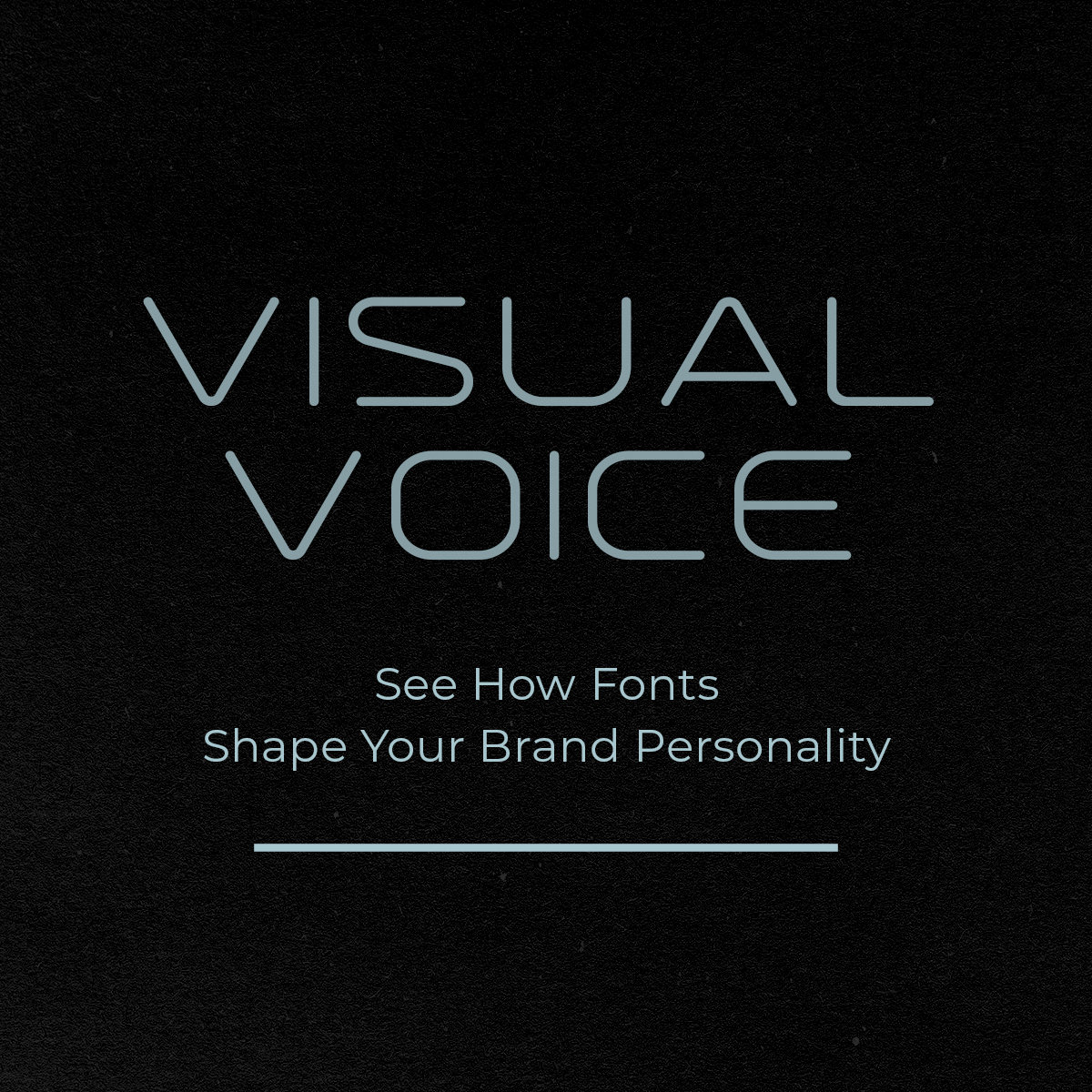
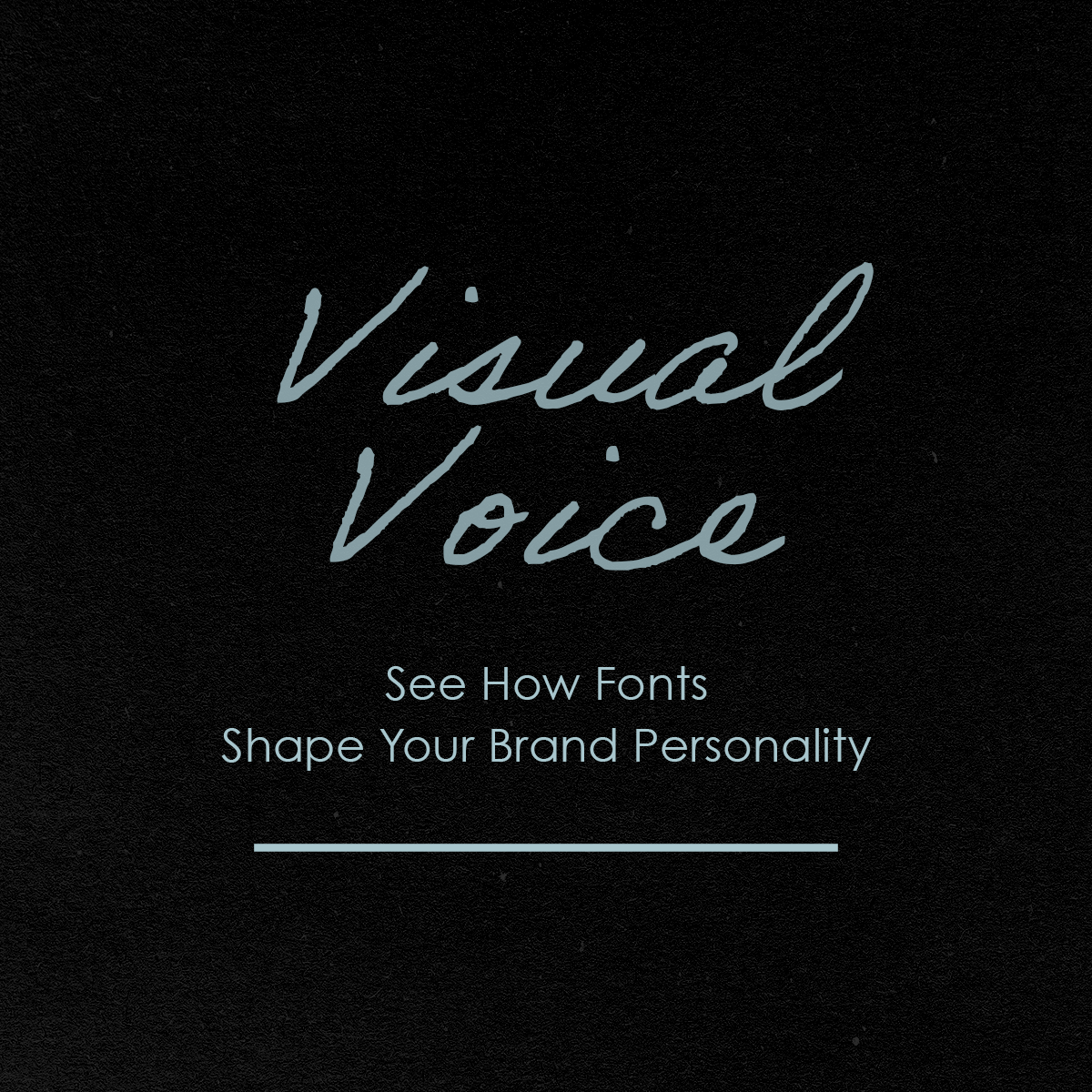
Font pairings are part of how your brand finds its voice. When your brand fonts are defined and repeated, your writing carries the same tone everywhere it appears. Your materials line up more easily, and what you’re building starts to feel more professional as a whole.
What You Have Might Already Be Working
You already know marketing works better when it looks good. What usually gets missed is that it only works when it looks good consistently. You’re putting together posts, pages, graphics, and names that make sense together. The choices you repeat aren’t accidents. They’re the early shape of a system. When you take the time to define it, your work starts to make sense on purpose. And once that happens, you have a functioning brand, something people can recognize and return to.
Not everyone is at that stage yet. This only works when there’s something real to build from, some instinct or pattern already trying to form. A simple way to tell is to look for what keeps repeating.
Things to notice when you’re creating:
Colors you keep reaching for, even when you try to branch out
Fonts that feel easier to use or show up more than once
Layouts you naturally rebuild across posts or pages
Phrases that feel more “like you” than the rest
Pieces you reuse because they already seem to work
Things you keep deleting because they never quite fit
Those repetitions are doing more than saving you time. They’re showing you what belongs together. If you see nothing repeating at all, you’re probably still collecting. If everything could belong to anyone, you might still be echoing. But if you can spot even a few real patterns, you’re not starting from nothing. That’s where brand strategy actually begins: with noticing what’s already there.
If You Want Everything To Make Sense
At this stage, most brands are ready for structure. A defined setup that can guide decisions, visuals, and future work. At Relative Media, we define what your brand is and how it’s meant to be understood, give it a visible form people can recognize, and carry that structure into the materials your business can use. It’s the point where what’s been living in your head becomes something your brand can operate from day after day.
Discover → Branding Services At Relative Media
Target Audience ≠ Target Identity
Your market doesn’t need to be targeted, and your brand doesn’t need to mimic what’s already out there.
When brands start by imagining their target market, they end up shaping the whole thing around someone else’s expectations. Instead of uncovering what’s true, they edit their identity to fit who they think will respond. That kind of performance might look convincing, but people can tell when something’s just echoing what already exists. If your brand only works because it reminds people of something else, it’s never going to be the thing they actually remember. In this post, we’re examining why internal clarity comes before external appeal, what happens when you edit your brand too early, and how we help uncover something real enough to be remembered.
Don’t Edit Yourself for the Audit
Most brands pre-edit. They adjust their tone, tweak their visuals, and try to sound like what they think their audience wants before they’ve even figured out who they are. But branding works better when it starts unfiltered. Our Consult Deluxe is designed to bring that unedited version to the surface, while the Echo Check makes sure you’re not blending into the background. When a brand has structure and honesty at its core, it creates gravity. You don’t have to chase the right people, they already feel the pull. This is what editing before the audit does to your brand:
Covers up your real patterns
We can’t trace what you’ve already deleted.Makes you sound like everyone else
Borrowed tone = borrowed brand.Hides the parts worth building on
You cut what feels “off,” but that’s usually the best part.Gives us the version you think will sell
Which is never the version that creates the gravity you want.Tricks you into aiming too soon
You market before you understand what you’re working with.Blocks the people already trying to connect
Because they can’t recognize the thing you’re pretending not to be.Read More → The Right People
The Initial Upload is where we start tracing what’s already there. If you’re honest from the start, we can see the real ideas, avoid copycat territory, and map what’s already working. Once you fill out the Consult form, you’ll get a set of Brief Sheets to help you bring everything together so we can begin with what’s true, not what you think you’re supposed to show.
Understanding How People See Your Brand
We build brands to be recognized by real people, not personas. People who notice tone shifts, pattern breaks, and whether something’s been assembled or meticulously thought through. We treat the audience as intelligent observers, not passive targets. They don’t need to be told who you are. They’re already picking it up from what you’ve built. Here are some clues you’re a copy:
Too many borrowed phrases
Everything reads like a marketing template you found on someone else’s computer.Values that never show up in action
The words are there, but nothing backs them up.A logo and color palette with no real direction
It looks fine, but it could belong to any business, anywhere.Content that sounds like it’s trying to be a brand
Every sentence is optimized to perform, not to say anything that makes sense.A vibe you’ve seen a hundred times
It feels familiar, but not in a good way. You already know how it ends.Read More → Apples And Oranges
Your market doesn’t need to be targeted, and your brand doesn’t need to mimic what’s already out there. People can feel when something doesn’t come from a real place, even if they can’t explain why. Everyone notices, even if no one says it out loud. We’re here to help you uncover what’s true about your brand and build from that instead.
Coherence Creates Gravity
People notice when something makes sense, even if they don’t know why. That’s the function of brand strategy: when your visuals, tone, and behavior all line up, your brand feels instantly recognizable without needing a long explanation. This isn’t a trick or a trend. It’s the whole point of branding. This is what happens when your brand makes sense:
Your audience gets it, fast
People form impressions in seconds. When everything aligns, they don’t need to think twice about what you do or why it matters.You attract people who stay
When the message matches the visuals and the experience, people feel confident coming back.The right people recognize themselves in your brand
Instead of trying to “target” them, you’re speaking from a place they already understand.You stop trying to prove yourself
When your brand feels whole, people assume it’s legitimate and treat it that way.You become easier to talk about
A brand that makes sense is easier to remember, describe, and share. Your audience starts doing the marketing for you.
When your brand makes sense to people, they trust it faster and remember it longer. It’s easier for them to talk about, recommend, and get behind because they know what they’re getting. That kind of clarity makes everything look good and work better. Real growth starts when you stop pretending.
How to Build Without Copying
Notice what you like, and ask why
The goal is to understand your own taste so you’re not just reacting to trends.Check your Echo
Use the Echo Check to study what others in your market are doing so you can make sure you’re not blending in.Stay accountable to your own logic
Every brand move should point back to your system, not someone else’s momentum.Name what’s yours
Give language to your inspiration. The more specific your terms, the harder it is to copy someone else by accident.Hire a professional
If you want your brand to be more than just a collage of other people’s ideas, don’t do it alone. That’s what we’re here for.Read More → Is The Intelligence Behind Your Brand Artificial?
At Relative Media, we don’t separate who you are from how your brand works. We help you uncover the truth behind what you're making so you can grow with intent. When your brand starts with honesty, strategy gets clearer, design gets easier, and marketing feels less forced. That’s how the right people find you, and why they stay.
Related guides
View the guide → The Brand Strategy Guide
View the guide → The Brand Positioning Guide
Discover → The Brand Blueprint
The Brand Blueprint: The Essential First Step
This guide explains why Brand Strategy comes first, how the Brand Blueprint creates clarity, and what it takes to turn ideas into a brand people can understand.
When everything lives in your head, it’s easy to feel like it’s working. You know what you meant. You know what it should look like. But if you stop thinking about it even for a day, you come back to a Pinterest board with photos of an island somewhere, three logos that don’t match, a few hex codes, and no memory of what any of it means. Real brands exist in a structured system like a Brand Blueprint. Until then, it’s just a vague idea. And trying to work with a vague idea is like trying to market a business that hasn’t even picked a name yet. This is how we move from scattered inspiration to a structure you can use.
Marketing Doesn’t Work Without a Brand
If your marketing feels like it’s not working, the problem probably isn’t the post, the ad, or the offer. It’s the part underneath it all: the brand. Most small businesses start by putting things out, a reel here, a promo there, a homepage that sort of makes sense. But when there’s nothing holding it together, those efforts don’t add up to anything. Before you promote anything, you need something to promote from. Without structure, even good ideas can feel disconnected and easy to ignore. Here’s how to tell if defining your Brand Strategy is the missing piece:
Your visuals look fine, but they don’t really stand out
People need context, not just style.No one seems to notice what you have to offer
You know your value, but without the right framework, the audience can’t figure it out.
Trendy marketing tips aren’t working like theyre supposed to
What’s viral for them might be totally irrelevant for you.You’ve spent a lot of time with little to show for it
Promotion without clarity can’t do its job.
All this means is that your brand isn’t defined yet, and without that clarity, even the best marketing plan will fall short. Once the structure is in place, the strategy can actually work. Everything starts lining up, and your audience starts noticing you for the right reasons.
What Is Branding?
Most people start with marketing because it feels like the obvious first step. You need to get the word out. So you make a post, make a logo, maybe run an ad. But if the brand underneath hasn’t been figured out, the marketing doesn’t do anything. People can’t connect. They see the content, but they don’t really see you. Branding is what makes that difference clear. We develop your Brand Blueprint during a Consult Deluxe session, so what you're building on is based entirely on how you want to be seen. Because until the brand is clear, the marketing can’t do its job. This is what branding makes possible:
People finally get what you do.
No rambling, no explaining. The offer speaks for itself.
You stop copying brands you don’t even like.
You’ve got your own direction now, and it finally feels right.Your brand speaks without you.
It holds up in posts, proposals, products, and pretty much everywhere.Marketing stops feeling like guesswork.
You're not just “putting stuff out there.” You know what it’s for.
Read More → Do Your Thing
You stop asking “is this on-brand?” every five minutes.
The decisions have already been made, now you’re just following them.
When your marketing materials are built from your brand strategy, everything looks good and works even better. You stop overthinking it. Your visuals line up without effort. Your audience starts to recognize you. And the things you put out finally feel like they’re adding up, not just hoping for the best.
How the Brand Blueprint Turns Your Ideas Into a Brand Strategy
Most branding advice stays abstract. You hear words like “authenticity,” “consistency,” or “aesthetic,” but no one tells you how to build something that lasts. That’s what the Brand Blueprint is for: it turns your scattered ideas into a clear, working structure. It’s not a guessing game or a mood board. It’s a document that becomes the foundation for every decision that follows. Here’s how it comes together:
The Initial Upload
We ask for everything: saved files, screenshots, Pinterest boards, failed logos, unfinished projects. This gives us raw input and lets us see what’s already there.The Echo Check
We run a competitive analysis to see what your industry is already doing and how to avoid becoming a duplicate. This helps shape a brand that feels distinct from the start.
Read More → Blending In Isn’t A Brand Strategy
The Consult Deluxe Session
This is where we talk. We walk through perception, inspiration, goals, thoughts, and intent. You’ll answer a custom set of strange, revealing questions that clarify how your brand feels, and how you want it to be seen.The Perception Map
We distill all of that into a mapped framework of how you’re perceived now, how you want to be perceived, and how to close that gap. It’s the structure everything else builds on.Your Brand Values
We surface the real principles that drive your work. These values become internal tools you can use to make decisions, stay consistent, and build a brand that holds up long-term.The Moodboard-Style Identity Sheet
A visual summary of your brand’s direction: color, typography, textures, tone. It’s not a logo yet, it’s the creative direction that ensures the visuals mean something.Your Content Pillars
Defined themes your brand can return to over and over. Use them for posts, campaigns, messaging, and storytelling. These give shape to everything you say.
When we hand it off, you can either use it to guide your own content and marketing, or move directly into Visual Identity work with us. Either way, the hard part is already done.
Rebrand Vs. Refresh: What’s The Difference?
Sometimes your brand just doesn’t feel right anymore. You’ve already built an identity, but the offer’s changed, the audience has shifted, and what made sense at the beginning no longer reflects what the business is now. A rebrand or a refresh might be the next move, but they’re not the same. And picking the wrong one can waste a lot of time and energy. Here’s how to tell the difference.
When A Brand Refresh Makes Sense
You cringe when you open your website.
Your work’s improved, but no one can tell.
You’ve reused the same idea a thousand times.
The design feels like someone you used to be.
You’re proud of the work, but not the way it looks.
Read More → Grow. Evolve. Refresh.
When A Rebrand Makes Sense
You’re taking your business in a completely new direction.
Your brand wasn’t built for what you're doing now.
People still associate you with the wrong thing.
You've rebranded on your own three times already, and it's still not right.
You’re explaining what you don’t do more than what you do.
Read More → Rebrand With Intention
Whether you’re refreshing or rebranding, the first step is the same: we build your Brand Blueprint. It’s how we figure out what’s working, what needs to change, and how your brand should be showing up in the world. From there, we know what to keep, what to let go of, and how to move forward with a structure that makes sense.
From Guesswork to Structure
You can get surprisingly far with intuition and a computer. Most people do. They start with good taste, a little design sense, and a willingness to figure it out as they go. But eventually, things start to unravel. You’re making changes based on your mood. Your brand looks different in every ad. You’re spending hours tweaking things that don’t matter and second-guessing the ones that do. It’s not that you’re doing it wrong, you’ve probably just outgrown the phase where guessing works. That’s where we come in:
We don’t guess.
Your brand decisions aren’t based on vibes. We use structured logic, tested exercises, and a full Echo Check to make sure everything has a reason.We ask the weird questions.
Our Consult Deluxe process includes unexpected prompts that surface how you actually want to be seen.We connect the dots.
From visuals to values to content themes, we turn scattered ideas into a usable, repeatable system.We reflect your real goals.
We don’t build around trends or templates. Everything ties back to what you're trying to build, sell, or become, on purpose.We do the hard part for you.
You don’t need to take another course or learn design software. We translate your ideas into structure, so you can focus on running your business.
Read More → Charting Your Course
We make it make sense.
If it’s not clear to your audience, it doesn’t work. Our job is to make your brand feel as solid to others as it already does in your head.
Guessing gets you started. Structure keeps you going. The better the foundation, the longer your brand lasts, and the more it can adapt without losing its shape.
When Your Brand Becomes Real
Your brand takes shape the moment we define its structure. When the pieces start working together, your message becomes clear, and decisions stop feeling random. That’s what the Brand Blueprint gives you: a foundation built around how you operate, designed to support everything that comes next. The perks:
You finally have something to come back to.
Your team stops making it up as they go.
Trends stop dictating your decisions.
You stop overthinking every little thing.
It grows with you.
You stop wasting money on marketing that doesn’t get you anywhere.
Read More → It’s Happening
At Relative Media, we create brands that look good and work even better. The Brand Blueprint is where everything falls into place, and more importantly, it’s what makes your marketing strategy work at all. Whether you’re figuring it out yourself or hiring help, this comes first. The Brand Blueprint aligns your visuals, values, and voice so your brand can show up with clarity, and your marketing finally works like it’s supposed to.
Begin a project → Book a Consult Deluxe
Related guides
View the guide → The Strategic Design Guide
View the guide → The Brand Strategy Guide
Brand Strategy: How Brands Think for Themselves
Without a Brand Strategy, nothing is organizing your decisions. Every new idea changes everything.
When a brand is built with intention, everything works better. It’s easier to make decisions. Easier to stay consistent. Easier to get creative without second-guessing every choice. That kind of confidence doesn’t come from trendy visuals or clever reels. It comes from having a strong internal structure your brand can operate from. In this post, we’re covering what makes a brand feel authentic, how to avoid the trap of mimicry, and why creative freedom depends on knowing where you're starting from. Originality is one of the biggest advantages your brand can have. At Relative Media, we help you get there.
Discover → The Brand Blueprint
Where Brand Decisions Come From
Most people think originality means having a unique look. But real originality comes from something deeper: organized structure. It’s about knowing exactly what your brand stands for and making every decision based on that clear foundation. When a brand has defined its form, it doesn’t just look good. It works better, lasts longer, and becomes easier to recognize at a glance. Here’s what that really means:
• Originality isn’t just about how things look.
It’s about the ideas and decisions that hold everything together behind the scenes.
Read More → Before The Logo: Build The Logic
• Authenticity means everything lines up.
When your visuals, voice, and values all match, your brand feels trustworthy and real.
• Structure makes creative work easier.
You don’t need to reinvent things every time you post. You know what fits and what doesn’t.
• Your brand will naturally become more organized.
When you feed a system enough information, it starts forming its own clear pattern.
Read More → Why Smart Brands Work
• Too much uniformity isn’t a good thing.
It’s easy to copy trends, but that only makes your brand blend in.
• This matters for creatives, too.
If you’re an artist, designer, or writer, a clear position helps your audience understand what you’re about without having to try too hard to figure it out.
Read More → You Can’t Keep Surprising People
• Design should be useful, not just pretty.
Your brand should work across everything you make, not just look nice in one spot.
When a brand has a clear starting point, its decisions start to line up and patterns naturally emerge. That consistency is what people come to recognize, and what makes a brand feel real rather than constructed.
The Echo Brand Problem
When you’re surrounded by the same styles, same advice, and same content, it’s easy to start repeating things without realizing it. Most brands don’t intend to copy others, they just absorb the environment. They use the same fonts, say the same things, and follow the same trends until the brand starts to feel familiar, but not necessarily original. The result is what we call an echo brand: something that looks polished on the surface, but has no point of view underneath. Here’s how to recognize it, and avoid it:
• Referencing is normal.
But when every brand pulls from the same sources, everything starts to sound and look the same.
• Mimicry feels like progress.
When you don’t know what to do, copying what works for someone else feels safer than trying something original, but it doesn’t last.
• Style can hide the lack of structure.
Aesthetic consistency can create the illusion of strategy, even if nothing deeper is holding it together.
Read More → Is The Intelligence Behind Your Brand Artificial?
• Echoes aren’t obvious from the inside.
You may not notice you’re blending in until someone else points it out, or until your brand stops growing.
Read More → The Familiarity Trap
• A clear position prevents chaos.
When you know what your brand is built on, you don’t have to chase trends or rely on guesswork.
This is why every Consult Deluxe starts with an Echo Check: a way to find out whether your identity is being borrowed from your surroundings or built from your own values and intent.
Why Structure Creates Creative Freedom
A lot of creatives avoid structure and organization because they think it limits them. They say they want to stay flexible, open, and unpredictable. But without a clear starting position, freedom quickly turns into chaos. You second-guess your choices. You keep rebranding. You can’t tell if you’re evolving or just getting lost.
“Structure is what lets you be weird on purpose.”
The truth is, structure protects creativity more than it traps it. When your brand has a defined position, you stop reinventing the foundation and start building on top of it. You can experiment without losing the thread. Here’s how it works:
• Without a starting point, every idea becomes a rebrand.
New colors, new tone, new offers, new look: nothing is cohesive because nothing is anchored in your unique perspective.
• A position turns decisions into development.
Instead of asking “Who are we now?” you’re asking “How does this fit what we already are?”
• Originality comes from continuity.
When work is connected, patterns form. That’s what people recognize. That’s what makes something feel like a brand.
Read More → Make It Make Sense
• This problem isn’t limited to companies.
Creators, studios, and independent brands hit the same wall when there’s no underlying logic holding their work together.
Brands don’t become recognizable because of one successful design. They stand out when the same kinds of decisions show up again and again. That only happens when there’s a consistent place those decisions are coming from.
How We Help
Here’s how we turn creative potential into an original brand:
• We organize what you already have.
Your ideas, references, notes, and inspiration get sorted into something clear and usable.
• We identify what’s influencing your brand.
We figure out what’s coming from the outside, what’s being repeated, and what’s genuinely yours.
Read More → Are You Aware Of Your Own Brand?
• We develop your Brand Blueprint.
We create a single document that holds your position, values, perception goals, content focus, and visual direction so your brand can change, expand, and experiment without losing coherence.
• We make it easier to keep building.
So everything you create works together without feeling disconnected.
Frequently Asked Questions
Q: What is Brand Strategy?
A: Brand Strategy is the organizing foundation that connects how your brand is perceived and how it operates. It gives structure to decisions so your brand feels consistent and recognizable.
Q: Why do I need a Brand Strategy?
A: Without a Brand Strategy, nothing is organizing your decisions. Every new idea changes everything. Growth feels messy. A Brand Strategy creates a foundation your brand can build from instead of restarting.
Q: How do I know if a Brand Strategy will help?
A: A Brand Strategy helps when your brand doesn’t have a clear place that decisions come from. If people misunderstand what you do or don’t remember you clearly, it usually means there’s no defined structure shaping how your brand is built and perceived. A Brand Strategy creates that structure so your work repeats and becomes recognizable.
At Relative Media, we build brands that can think for themselves. Our Consult Deluxe process brings the full scope of your brand into view, from your intuition, to your inspiration, your ideas, and your goals. Then we organize them into a document that supports clarity, creativity, and growth. The Brand Blueprint is a position that makes originality easier to maintain, harder to fake, and unmistakable at a glance. That’s how your brand becomes known, trusted, and easy to recognize no matter where it shows up.
Further Reading
→ Lateral Thinking by Edward de Bono
Related guides
View the guide → The Visual Identity Guide
Strategic Design: Building Brands That Work in the Real World
Strategic design gives your brand a way to keep functioning as it grows.
Your brand is tested when it moves beyond the concept phase and enters the world. When it’s handed off, adapted, reproduced, and applied in places you never planned for. That’s where branding becomes strategic design. This guide covers what happens when your brand enters the world, why a functioning brand matters more than aesthetic consistency, and how your business can grow without chaos. At Relative Media, we design brands for real-world use.
Discover → The Brand Blueprint
Your Brand Is More Than a Concept
Most branding is created one piece at a time. Logo first. Then colors. Then layouts. Then materials. Each decision is made separately, with the assumption that visual consistency will hold everything together. But once a brand enters the world, those pieces have to function together. They have to communicate, scale, and survive contact with other people. At that point, your brand is no longer a set of designs. It’s a whole system in motion. Here’s what that really means:
• Each part of your brand stops being its own decision.
Logos, colors, typography, layouts, and language have to work together no matter who makes them or where they show up.
Read More → Your Brand Isn’t A Craft Project
• Your brand begins working even when you’re not involved.
How it shows up is no longer just a reflection of your taste, but of the system you built.
• The way your brand is organized becomes visible.
Not in theory. In documents, layouts, materials, and everyday use.
• The system becomes what people are actually interacting with.
The experience of your brand is the system it’s built on.
Functional design requires infrastructure. We build brands that can be used by real people, in real conditions, across real materials, without losing their shape over time. Through the Consult Deluxe we define how your brand operates and presents itself to the world.
The System Behind the Design
Design is usually treated like decoration. Colors, fonts, layouts, and visuals are chosen to create a look. But once a brand is operating in the real world, those elements stop being aesthetic choices and start functioning as tools. They organize information and signal importance. They guide how things are read, used, and understood. When a brand has no defined system, design becomes a series of one-off decisions. Structure is strategy. Here’s how it works:
• Decisions stop being made case by case.
Instead of designing each new thing from scratch, you’re working from a defined structure.
• The same patterns start showing up.
Things begin lining up without constant adjustment.
• Design choices begin to carry meaning.
Color, size, spacing, and layout start telling people what something is, how to use it, and how to read it.
Read More → Find, Fix, and Finalize Your Framework
• New materials fit in with your system.
They feel recognizable even when they’re new.
Strategic design gives your brand a way to keep functioning as it grows. It replaces one-off decisions with a structure that keeps things consistent. That’s what makes design something your brand can build on.
What Happens After the Launch
The real test comes after the launch, when your brand has to keep producing marketing material without starting from scratch. This is when it becomes real. Every new page, document, post, sign, or asset is built from the same set of decisions. Over time, your brand becomes defined by that growing body of work. Meaning forms through repeated, everyday use as the work circulates, gets shared, and shows up in real situations. Here’s what starts to matter after the launch:
• Your brand keeps its shape as it grows.
New materials don’t pull it in new directions. They extend what’s already there.
• Speed doesn’t erase clarity.
Even when things move quickly, decisions still come from the same place.
• Consistency becomes easier to maintain.
The system is doing most of the work.
• Time strengthens your brand.
The more that gets made, the clearer your identity becomes.
Read More → This Is How It Starts
Strategic design accounts for what happens after the excitement fades. It builds for handoff, repetition, pressure, and time. That’s what lets a brand grow and change without losing its shape.
What Strategic Design Makes Easier
• Making decisions
• Creating new things
• Staying consistent
• Being understood
• Working with other people
• Growing and changing
• Maintaining your brand
• Everything
Frequently Asked Questions
Q: What if I don’t have a strategy at all?
A: That can work at first, but it usually means every new decision carries more weight than it should. Over time, things stop lining up, new work feels harder to make, and the brand becomes something you’re constantly holding together.
Q: Can I create a strategy myself?
A: To a point, yes. Most brands begin that way. But it’s very hard to map your own structure while you’re inside it. That’s why our work focuses on organizing what you already have, identifying what’s guiding your brand, and turning that into something you can grow with.
Q: How is strategic design different from a free logo?
A: A free logo gives you a visual. Strategic design gives you something to build from.
At Relative Media, we design brands for real-world use. We turn ideas into systems that can be handed off, expanded, and relied on over time. Through our Consult Deluxe process, we organize what already exists into a Brand Blueprint that gives your brand a clear place to operate from, so growth adds clarity instead of chaos.
Further Reading
→ Lateral Thinking by Edward de Bono
→ The Art Of War by Sun Tzu
Related guides
View the guide → The Brand Strategy Guide
View the guide → The Brand Positioning Guide
Visual Identity: The Structure Behind the Style
When brand decisions come from a clear internal logic, things start aligning on their own.
When a brand has a clear internal structure, things start to fall into place. Patterns repeat without needing to be forced. Decisions line up without second-guessing. Your brand becomes easier to recognize, easier to describe, and easier to build on. Visual Identity isn’t just what your brand looks like. It’s the visible result of how your brand is structured. When that structure is clear, style stops being decorative and starts making sense.
At Relative Media, we build brands with that kind of clarity. Through our Consult Deluxe process, we uncover the structure already inside your work and organize it into a Brand Blueprint that gives your brand a clear center to operate from. That center is what makes long-term consistency possible.
How Structure Starts To Show Up
When something has real intelligence behind it, it starts to organize. You don’t have to force consistency, it just shows up. That’s how Intel Dynamics works: with enough input and intention, order emerges. The same is true for Visual Identity. When brand decisions come from a clear internal logic, things start aligning on their own. Visuals feel connected. Messaging sounds intentional. What people call a “good idea” is often just the moment that structure becomes visible. This is why consistency isn’t the goal, it’s the side effect of clarity. Here’s what happens:
• Patterns start appearing.
Certain themes, ideas, and priorities show up again and again across what you do.
Read More → Lose The Labels, Find Your Brand
• Decisions start to relate to each other.
Choices made in one place support choices made somewhere else.
• The brand becomes easier to understand.
People can describe it. They can recognize it. They know what it feels like.
• New work adds to what already exists.
Each piece strengthens the larger picture instead of replacing it.
• Consistency takes less effort.
Fewer corrections. Fewer resets. Fewer moments of “something feels off.”
• Clarity increases over time.
The longer the brand exists, the more legible it becomes.
Read More → Why Smart Brands Work
• The brand begins to feel whole.
Less like a collection of parts. More like a single presence.
This is the condition long-term brand consistency grows out of. We call this Intel Dynamics: Intelligence Generates Organized Reality.
What It Looks Like When A Brand Takes Shape
When a brand has outlined its internal logic, it starts to take shape. The same ideas resurface. Different pieces support each other. New work feels like it belongs. Over time, your brand starts feeling coherent. Internally, we use the name IGOR (Intelligence Generates Organized Reality) to describe this process. It’s how we talk about what happens when a brand’s structure is clear enough to organize what becomes visible. This is what to expect:
• The same ideas keep finding their way back.
Certain themes, concerns, or questions show up no matter what you’re working on.
Read More → Reiteration Is The Job
• Different pieces start pointing in the same direction.
Your site, your posts, your offers, and your language begin supporting the same story.
• You can trace where decisions are coming from.
Choices stop feeling random. You can see the reason behind them.
• The brand starts to feel like it has a point of view.
Not just a look, but a recognizable way of thinking.
• New work sounds like it belongs.
Even when the format changes, the brand doesn’t.
• The brand starts teaching you how to build it.
Patterns become guides instead of accidents.
This is usually the point people describe as, “there’s something alive in it now.”
Why Consistency Forms When Structure Is Clear
When your brand doesn’t have an outlined structure, growth starts to pull it apart. New platforms, new people, and new projects introduce small shifts that slowly move it away from its original center. Everything can still look “on brand,” but the logic gets harder to locate.
When the structure is real, the opposite happens. The longer the brand exists, the clearer it becomes. The same ideas keep reappearing in new forms. Decisions begin to reinforce each other. New work builds on what’s already there instead of replacing it. Over time, the brand stops feeling like a collection of pieces and starts feeling like something recognizable. Here is what happens over time:
• New work fits more easily.
It doesn’t need to be forced into place.
Read More → Strong Brands Stay Locked In
• People start describing the brand in similar ways.
Understanding begins to line up.
• The same ideas keep resurfacing.
Not out of uniformity, but because they come from the same place.
• The brand becomes easier to recognize.
People know what to expect.
Read More → Your Brand Isn’t A Craft Project
This is how consistency stops being something you manage and starts being something your brand does naturally.
What The Brand Blueprint Provides
• Something solid to build from.
A clear center decisions can return to instead of starting over.
• A reason behind your choices.
Not just what you’re doing, but why it makes sense.
• A brand other people can work with.
Designers, collaborators, or tools aren’t guessing. There’s something real to follow.
• An identity that doesn’t fall apart as you grow.
You can change, expand, and try new things without losing who you are.
Read More → This Is How It Starts
• A way to tell what fits.
New ideas are easier to evaluate. You can feel when something strengthens the brand or pulls it off course.
Frequently Asked Questions
Q: How does Relative Media approach Visual Identity differently?
A: We uncover the logic already present in your work and organize it into a Brand Blueprint. That internal center is what allows your Visual Identity to stay consistent as your brand grows.
Q: What does Visual Identity mean?
A: Visual Identity is the visible result of how your brand is structured. It’s how decisions repeat, how materials relate to each other, and how your brand becomes recognizable over time.
Q: Can I build my Visual Identity myself?
A: To a point, yes. Most brands start that way. Visual identity gets difficult to manage once a brand leaves the concept phase and starts being used across more materials, people, and situations. Without a clear internal structure, consistency becomes a job. We build the structure so it isn’t.
At Relative Media, we design your Visual Identity to last. We start by defining the internal structure your brand’s visuals grow from, then capture it in a Brand Blueprint you can build on. This is what allows your Visual Identity to remain recognizable and clear over time.
Further Reading
→ Lateral Thinking by Edward de Bono
Related guides
View the guide → The Brand Strategy Guide
View the guide → The Simple Branding Guide
Human-Centered Design: How Perception Shapes Positioning
In branding, chaos is just unorganized information.
When your brand is out in the world, it’s already being perceived. Long before someone understands what you do, they’re forming conclusions based on what they see, feel, and recognize. Perception doesn’t come from any single logo, post, or sentence. It comes from the total impression, the way everything interacts. That’s why our process begins with a full initial upload and the Echo Check, to understand both what your brand is already communicating and the context it’s communicating within. This guide covers how perception shapes positioning, why clarity starts with how your brand is being read, and how examining both gives you control over what to reinforce, what to correct, and what to clarify.
Why We Include a Perception Map in Your Brand Blueprint
In branding, chaos is just unorganized information. It lives in folders, half-finished ideas, things that don’t fit yet, and inspiration you haven’t organized. But chaos doesn’t stay internal for long. The moment a brand is visible, people start organizing what they’re seeing. They look for patterns. They connect the dots. They decide what kind of business you are, who it’s for, and whether it feels like something they want to be part of. Even if your brand feels completely scattered, it’s already being experienced as a whole.
This is Intel Dynamics at work. Intelligence naturally structures what it encounters. Meaning forms whether you guide it or not. We include a Perception Map with your Brand Blueprint because we don’t leave that process to chance. A Perception Map lets us see what your brand is communicating as a whole, so the conclusions people are already drawing don’t stay accidental. You gain awareness early, while your brand is still flexible, and you know what to reinforce, what to correct, and what to change before those impressions start shaping your story. A Perception Map allows you to:
• See how your brand is being organized in other people’s minds.
Learn how the humans are grouping what they see, what assumptions they’re likely making, and what story is forming without explanation.
Read More → Do Your Thing
• Identify mixed signals that weaken clarity and trust.
Figure out where visuals, language, offers, and behavior are sending different messages and forcing people to Pause To Ponder what they’re looking at.
• Surface unintended meanings and hidden strengths.
What your brand may be communicating without realizing it, and what it may already be doing well that can be reinforced.
• Understand how your brand values are being perceived.
Not the values you’d like to stand for, but the ones your brand behavior and presentation are currently expressing.
• Position from how your brand is being experienced.
So your positioning reflects what people are actually picking up from your brand.
Read More → Make It Make Sense
• Build the rest of your Brand Blueprint on something real.
Give your visual identity, messaging, and systems a foundation that reflects real perception, not imagined context.
We include a Perception Map in the Brand Blueprint to make perception visible. It lets you see how your brand is currently being experienced before you start shaping it. That context makes every decision that follows more effective.
Is There a Difference Between Perception and Reality?
There is always some distance between what a brand intends and what people experience. You know what you’re trying to build. They only know what they can see, feel, and interact with. The larger that gap gets, the more explanation your brand needs, and the more trust starts to rely on persuasion instead of recognition. This is why perception work is a core part of Consult Deluxe. We don’t treat perception as something to spin. We treat it as something to bring closer to the truth of what you’re actually offering. We focus on:
• Shrinking the gap between experience and intent.
What people pick up from your brand should reflect what you’re building.
• Aligning what your brand does with what it seems to be.
So your visuals, language, and behavior are pointing in the same direction.
Read More → Predictable Brands Win
• Removing the need for interpretation.
Your brand feels clear at a glance, without requiring explanation.
• Giving the Brand Blueprint a permanent foundation.
It’s built on how your brand is being experienced, not just what you hope it conveys.
There will always be a difference between what your brand is and how it’s perceived. The work is not to erase that difference, but to understand it and manage it. When the gap is small and intentional, your brand is easier to recognize and easier to position with confidence.
Why Perception Matters More Than Numbers
Marketing often treats people like data points, but brands are never experienced that way. People decide what something is, who it’s for, and whether it’s worth their attention long before any metric is recorded. The goal isn’t to be seen by everyone, but to be understood by the right people. Clarity creates preference, and some people won’t be interested, that’s part of how a brand stays clear. A perception-led brand allows you to:
• Create recognition before promotion.
People know what they’re looking at before you ever ask them to click, follow, or buy.
• Attract the right people without convincing everyone.
Clarity naturally pulls some people in and gives others a clear reason to move on.
Read More → The Right People
• Build preference, not just reach.
Your brand becomes something people choose, not just something they’ve seen.
• Make your marketing more effective.
Because it’s building on a brand people already understand.
Marketing doesn’t create perception. It spreads it. When perception is unclear, marketing only multiplies the problem. When it’s defined, even small efforts carry weight. That’s why we create a Perception Map for every client and build it into the Brand Blueprint so you’re starting from clarity instead of trying to fix things later.
What This Means for Your Brand
People understand what they’re looking at faster.
Your brand is easier to recognize and describe.
Fewer explanations are needed.
The right people feel a clearer pull.
Marketing has something solid to amplify.
You can make corrections early, while your brand is still flexible.
Your brand presents as more credible and considered.
Frequently Asked Questions
Q: What is a Perception Map?
A: A Perception Map is how we look at how your brand is currently being experienced. It examines the patterns across your visuals, language, and behavior to understand what people are likely concluding when they encounter your brand. It doesn’t measure what you intend. It reveals what’s actually being communicated.
Q: How is perception different from positioning?
A: Perception is how people are already reading your brand. Positioning is the set of decisions you make once you understand that reading. Without perception work, positioning is just a guess.
Q: Why does perception matter if my business is still new?
A: Perception starts forming the moment something becomes visible. Even early brands are being categorized, compared, and interpreted. Working with perception early lets you correct course while your brand is still flexible, instead of having to undo expectations later.
At Relative Media, we use perception work to ground your Brand Blueprint in reality. After the initial upload, the Echo Check, and values work, we build a Perception Map to see how your brand is being experienced before major decisions are made. That clarity is what turns positioning into a practical step instead of a guessing game, and gives everything that follows (visual identity, messaging, and marketing) a clear point of reference.
Further Reading
→ IDEO, Human-Centered Design
→ Water Logic by Edward de Bono
→ The Laws of Human Nature by Robert Greene
Related guides
View the guide → The Branding Services Guide
View the guide → The Strategic Design Guide
Simple Branding: When Your Brand Organizes Itself
Simple brands don’t start simple. They become simple.
When a brand is built the right way, everything gets easier. It’s easier to make decisions, easier to stay consistent, and easier to market without constantly second-guessing what to do. That kind of stability comes from having a clear system behind your brand. Simple Branding is what happens when a brand is built from clear internal decisions instead of surface decoration. When the logic is defined first, your logo, website, and marketing materials start working together. Your brand doesn’t have to try to look consistent, it simply becomes that way. In this post, we’re breaking down what Simple Branding means, why it matters beyond looks, and how clear brand systems help your business work better over time.
How Simple Branding Shows Up In The Real World
Simple Branding isn’t something you announce that you’re doing. It shows up in the basic everyday decisions you make while running your business. When your brand has a clear internal direction, decisions stop feeling random. Your work starts to move in one direction instead of five. Here’s what that looks like in real life:
• Decisions take minutes instead of days.
Choosing a color, writing a caption, or laying out a page doesn’t feel like starting over. There’s a sense of “this fits” before there’s a debate.
• Everything starts to feel like it came from the same place.
Your website, social posts, emails, and materials stop feeling like separate projects and start feeling like parts of the same business.
• Consistency stops being a chore.
You’re not forcing everything to match. It matches because it’s being guided by the same internal rules.
• Marketing gets easier to maintain.
You’re no longer inventing your brand every time you sit down to make something. You’re working from something that already exists.
• Revisions slow down.
There are fewer “something feels off” moments, fewer late-night pivots, and fewer resets disguised as refreshes.
• People start to recognize more than just your logo.
That familiarity becomes credibility.
Read More → Simplify Your Brand
• The Brand Blueprint becomes your reference point.
Through Consult Deluxe, we build the internal structure that makes Simple Branding possible: a Brand Blueprint that holds your perception map, values, and brand logic in one place. It’s the reference you can hand to anyone working on your brand, including designers, marketers, or AI tools, so decisions come from the same place every time.
Simple Branding is about how your business operates. When decisions are coming from the same internal logic, everything starts moving faster, fitting together, and reinforcing your brand. That’s what makes everything feel consistent, intentional, and real.
When Your Brand Stops Organizing
When your brand isn’t built on clear internal direction, the problem usually shows up as confusion and chaos. The work looks fine, but it never settles into something people can recognize or want to be a part of. This is how it plays out behind the scenes:
• Mimicry replaces direction.
Instead of building from an internal blueprint, your brand starts borrowing. Whatever feels like it might work. Your brand becomes a collection of references instead of a point of view.
Read More → Is The Intelligence Behind Your Brand Artificial?
• You get compliments, but nothing makes sense.
People say it looks nice. They like a post. They comment on a logo. But your brand is incoherent. Recognition might form, but understanding never does.
Read More → Do Your Thing
• Artificial intelligence takes over.
Decisions start being made by uniformity instead of principle. You learn how to repeat what already exists, but not how to operate from logic. Your brand can echo, but it can’t organize.
• Perception scatters.
Different materials send different vibes. Different people describe you in different ways. Your brand doesn’t have one clear message. Everything is a blur.
• Every new piece feels like a fresh start.
Instead of building forward, your brand keeps restarting.
• Your brand becomes maintenance instead of expression.
Energy goes into fixing, aligning, explaining, and adjusting instead of building.
When your brand isn’t simple, everything takes more work than it should. Decisions take longer. Consistency feels forced. Nothing builds on what came before. Over time, your brand becomes something you manage instead of something that carries you forward.
How Simple Branding Is Built
Every Consult Deluxe begins with an Echo Check. We look at your existing materials, habits, and inspiration to understand what your brand is already communicating. This is where patterns show up, and where the real work begins.
From there, we map perception, define your values, and develop your internal logic. We look at how your brand is being read and what rules are already quietly shaping your decisions. As things become clearer, we translate them into visual guidelines and content pillars so everything you make becomes easier to design, easier to write, and easier to keep consistent.
All of this becomes your Brand Blueprint. It defines what your brand is, what it isn’t, and how decisions should be made. It’s the internal structure your brand can operate from. Your Brand Blueprint is what makes Simple Branding possible.
Here’s what that process is designed to do:
• Turn chaos into clarity.
Things stop feeling scattered. The same ideas start showing up across everything you make.
Read More → Clarity Is the Competitive Edge
• Move your brand from surface to system.
You’re not fixing how things look. You’re changing how decisions get made.
• Create a real reference point.
Your brand becomes something that exists outside your head.
• Build something that lasts.
You’ll have a foundation your brand can work from again and again.
Simple Branding isn’t a style choice. With a Brand Blueprint in place, your decisions become easier, your message stays consistent, and your brand starts to feel like it knows what it’s doing.
What Simple Branding Gives You
• Clearer decisions
You’re not sorting through endless options. You know what fits, what doesn’t, and why.
• A recognizable presence
People don’t just recognize your logo. They start to recognize the brand behind it.
Read More → From Keywords to Questions
• Less redesign
Fewer “something feels off” moments. New work builds on old work instead of replacing it.
• Marketing that stays consistent
Your posts, pages, emails, and launches finally line up. Everything feels like it came from the same place.
Read More → The Power Of Presentation
• Long-term trust
People keep encountering the same brand, behaving the same way, over and over again.
• Brand endurance
The ability to change form without losing your identity. To grow without starting over.
Frequently Asked Questions
Q: Is Simple Branding the same as being generic?
A: Simple Branding isn’t about reducing your brand to what’s familiar. Generic brands copy what already exists. Simple brands operate from something specific, which is what makes them recognizable over time.
Q: How do you make a brand simple?
A: By defining the internal rules your brand is already following and using them to guide every decision forward. When that structure exists, your visuals, language, and marketing naturally align and become easy to manage as you grow.
Q: Can I make my own brand simple?
A: Many brands begin with informal hunches that bring a sense of direction. But when the system only lives in your head, consistency depends on memory, mood, and constant attention. Simple Branding works when your logic is turned into a structure your brand can operate from, like the Brand Blueprint.
At Relative Media, we build brands from the inside out. We start with a Brand Blueprint so your brand has something real to operate from. We look for the intelligence already forming in your work, organize it into something usable, and let the rest follow. The result is a brand that holds together as it grows, and continues to make sense long after the consult is complete.
Further Reading
→ Simplicity by Edward de Bono
Related guides
View the guide → The Visual Identity Guide
View the guide →The Brand Strategy Guide
Start With Strategy: Professional Brand Services at Relative Media
When your brand has a clear foundation, everything gets easier.
Branding is how you organize your business so people know what you do, remember your name, and choose you on purpose. It’s the set of choices behind what you offer, how you talk about it, and how you look. When those choices are made with intention, your brand starts making sense to you and to everyone else. That’s what this page is for. At Relative Media, we build brands people can understand, recognize, and grow with.
Why Brand Strategy Comes Before Marketing
Most people start with marketing because it feels productive. But if your brand isn’t defined, everything you put out ends up doing the same job: explaining what you do, over and over again. Brand Strategy comes first because it sets the logic. It defines what your brand means, how it should be understood, and what every decision should point back to. When marketing comes first and strategy never happens, it usually looks like this:
• Everything has to explain itself.
Posts, pages, and promos don’t build on each other. Each one feels like a first impression.
Read More → How Many First Impressions Has Your Brand Made?
• Your visuals look fine, but nothing adds up.
There’s style, but no recognizable system behind it.
• Trends dictate your decisions.
Without a Brand Strategy, what’s working for someone else quietly starts making your decisions. Over time, your brand becomes an echo instead of a system.
• Marketing feels like maintenance.
Constant tweaking, adjusting, and restarting instead of moving forward.
This is why we start with Brand Strategy. Without a clear system, every new piece forces people to stop and figure out what they’re looking at. Over time, those pauses add up. Brand Strategy removes that confusion by defining how your brand should be recognized, so you spend less time convincing and more time connecting.
What Our Services Do For Your Brand
Our services are designed to change how decisions get made inside your business, so everything you create starts coming from the same place. Instead of fixing isolated pieces, we build the structure that keeps your brand recognizable as it grows. This is what working with Relative Media can change:
• Your brand becomes easier to understand.
People don’t have to stop and figure out what they’re looking at. Your message registers quickly, and recognition starts forming.
• Decisions stop feeling random.
You’re no longer choosing between endless options. You know what fits, what doesn’t, and why.
• Consistency becomes natural.
Your visuals, language, and materials work together because they’re being guided by the same internal logic.
Read More → You Don’t Have To Be The Expert
• Marketing starts adding up.
Posts, pages, campaigns, and materials reinforce each other instead of setting a new impression every time.
• Your brand becomes easier to maintain.
Fewer revisions. Fewer resets. Less second-guessing. More building forward.
We give your brand structure so your marketing makes sense. Our services aim to define the system your brand operates on, so decisions and creative work start coming from the same place. Visuals, language, and campaigns begin to reinforce each other. The result is a brand people can recognize and marketing that finally adds up.
The Brand Blueprint: The Structure Behind Every Service
Your Brand Blueprint is built to be a single reference point that connects the strategic and the practical. It typically includes:
Perception Map
A clear snapshot of how you’re being perceived now, how you want to be perceived, and what needs to change for that gap to close.Brand Values
The internal rules your brand runs on: what you prioritize, what you repeat, what you emphasize, what you avoid, and why. This is what makes decisions faster and keeps everything coherent.Content Pillars
Defined themes your brand can return to over and over, so your messaging stays intentional across posts, pages, captions, campaigns, and conversations.Visual Identity Direction
A mood board–style summary of visual direction: tone, color, typography, and other visual elements, so your Visual Identity has a clear foundation to start from.
Brands stand out when the same kinds of decisions show up again and again. That only happens when there’s a consistent place those decisions are coming from, that’s what the Brand Blueprint is for.
How it gets built
The Brand Blueprint is created through a Consult Deluxe, and it starts before the call. We ask for an Initial Upload of the raw material: saved files, screenshots, inspiration boards, drafts, and the pieces you keep circling back to. Then we run an Echo Check to see what you are repeating in your market, so your brand can stop blending in and start forming its own rules. During the Consult Deluxe, we map perception, extract the logic behind your ideas, discover values that influence your decisions, and organize the themes your brand is already built around. The result is a Brand Blueprint: your ideas on paper—clear, structured, and built to guide everything that comes next.
What the Brand Blueprint does for your business
A Brand Blueprint changes the experience of running your brand. It brings clarity to your decisions, consistency to your marketing, and makes your brand easier to recognize and build on.
It removes the Pause to Ponder.
When your logic has been identified, new materials reinforce recognition instead of forcing people to interpret what they’re looking at.It reduces revision cycles.
Fewer “something feels off” conversations, because you’re no longer guessing what fits.It makes collaboration possible.
You can hand the Brand Blueprint to a designer, marketer, contractor, teammate (or even an AI tool) and still get work that comes from the same logic.
How it connects to every other service
The Brand Blueprint is the framework behind every service because it answers the questions that each of our services depends on.
Visual Identity becomes recognition because the Brand Blueprint defines what your brand needs to communicate before anything gets designed.
Internal Cohesion becomes alignment because the Brand Blueprint gives your team a shared framework for decisions.
Field Expression becomes presence because the Brand Blueprint clarifies how your brand should show up in physical space and real-world experiences.
Tactile Assets become extensions of your brand because they’re no longer one-off ideas, but part of a system that already knows what it’s doing.
What you can do after you have it
Once you have your Brand Blueprint, you have options. You can use it to guide your own content and marketing with far fewer questions, or you can scale into Visual Identity with us. Either way, the hardest part is already done: your brand finally has a framework that makes decisions make sense.
Frequently Asked Questions
Q: Do I need a Brand Strategy before visual design or marketing?
A: Yes. If you start with visuals or marketing before your brand is defined, every new piece has to explain what you do all over again. Brand Strategy comes first because it defines what your brand is, what it stands for, and how people should recognize it, so design and marketing are based on clear decisions, not guesswork.
Q: What happens when I work with Relative Media?
A: We start by building your Brand Blueprint through the Consult Deluxe and Echo Check process. That’s where we define your brand’s perception, internal logic, values, and direction so you have structure to operate from. From there, your visuals, team-facing materials, and real-world brand expressions are all built from the same foundation.
Q: I already have a logo and brand materials. Is this still relevant?
A: Yes. Some of our clients already have a logo, a look, or even a full brand. Most come to us to define the structure behind it, so everything stops living in their head and starts working as a system.
At Relative Media, we start with Brand Strategy and build everything else from there. Visual Identity, Internal Cohesion, and all physical brand work come from the same foundation, so your brand doesn’t feel like separate projects stitched together. Each new piece builds on what already exists, so your brand can grow, change, and expand without losing its identity.
Further Reading
→ The Mechanism of Mind by Edward de Bono
Related guides
View the guide → The Brand Positioning Guide
View the guide → The Brand Strategy Guide